Education Advocacy
Sophia's education required more than enrollment. It required a fight for appropriate support.
Sophia's educational journey began in the 2018-2019 school year with evaluation, documentation, Admission, Review, and Dismissal meetings, Individualized Education Program planning, and the hard work of proving what her medical facts and circumstances required. For medically fragile children, school is not just a classroom. It is health, safety, therapy, communication, transportation, inclusion, and meaningful progress.


ARD and IEP Reality
In Texas, the Admission, Review, and Dismissal committee is the team that develops a student's Individualized Education Program. That process is supposed to produce a plan reasonably calculated to enable progress appropriate in light of the child's unique facts and circumstances, but for medically fragile students it can become painful when every needed support has to be explained, defended, documented, and asked for again.
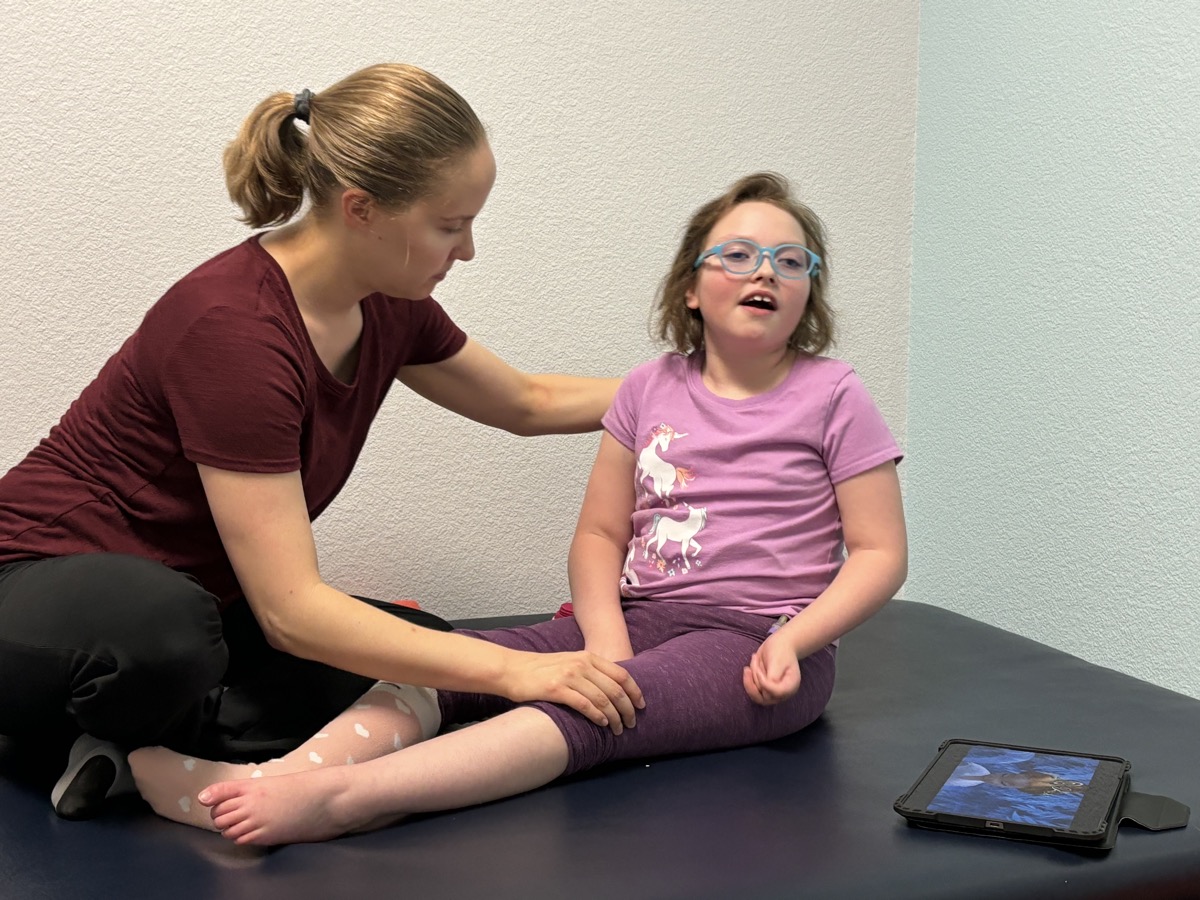
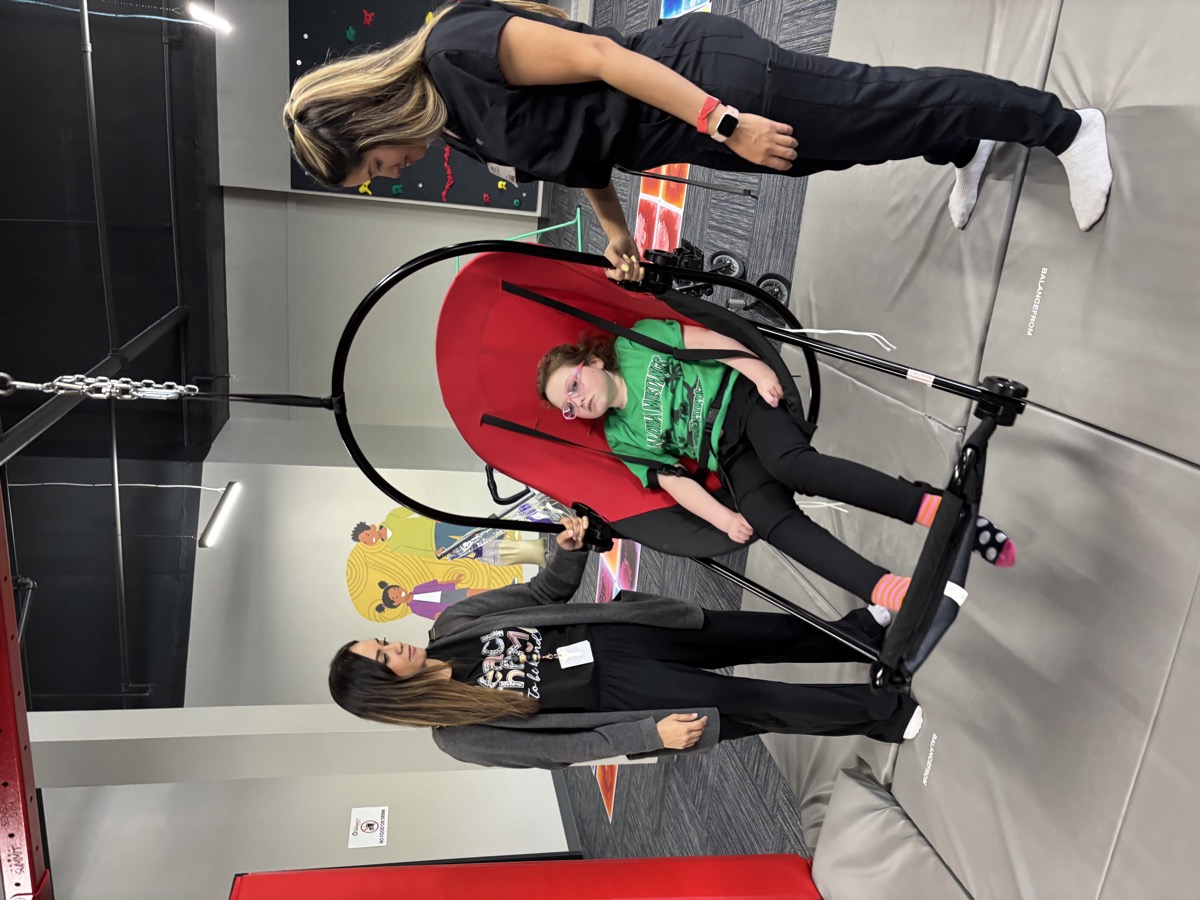
For Sophia, the plan had to address physical accommodations, targeted skills, transportation, Extended School Year services, related services, assistive technology, adaptive physical education, evaluations, and meaningful access to a Free Appropriate Public Education.
When Parents Disagree
Federal law gives parents and adult students dispute options when a school district fails to provide what the student needs. Those options can include written disagreement with an Individualized Education Program, a state complaint, mediation, a due process complaint, a resolution meeting, and a due process hearing.
But the law does not give families a funded legal team, paid experts, or training to carry those rights into the room. School districts operate with public funding, staff, attorneys, and institutional knowledge, while parents may be trying to protect their child after work, during medical crises, and with no roadmap except the fear that silence will cost their child services they cannot get back.
The District Holds the Room
Admission, Review, and Dismissal meetings are hosted and run by the local school district, and most people at the table are district staff with professional knowledge of its process. That structure can feel unequal to a parent arriving with a medical binder and intimate knowledge of one child. Once an Individualized Education Program is in place, careful documentation and communication remain essential when the family believes services have been missed, changed, or implemented differently than written.
High-Cost Needs
Medically fragile students may require support that costs more than an average student, even when the student is described as having slightly higher needs. Federal regulations allow a Local Educational Agency High Cost Fund option, and Texas has a process for reimbursement, but too many districts still hesitate to use the resources available to them.
That hesitation did not appear in a vacuum. In 2011, Texas lawmakers cut roughly $5.4 billion from public education for the 2012-2013 biennium, and school districts learned to fear unstable funding, reimbursement limits, and state decisions that leave local campuses holding the cost. That history may explain district caution, but it should never become the reason a medically fragile student is denied services the law requires.
Basic Floor Is Not Enough
The Individuals with Disabilities Education Act does not require schools to maximize a student's potential, and it cannot guarantee a result because every student carries unique needs, strengths, barriers, and circumstances. But it does guarantee an equal opportunity for students with disabilities to receive a Free Appropriate Public Education.
That distinction matters because a medically fragile child does not have time to lose to low expectations. Sophia's family believes plans should be appropriately ambitious, carefully built, and honest about what she needs to access learning, communication, safety, and progress. The law still needs work, investment, and accountability, because access on paper does not comfort a child who is falling behind in real life.
What Sophia Needed
Sophia's needs included therapies, homebound instruction, classroom access, adaptive physical education, assistive technology, health precautions, nurse considerations, transportation planning, and measurable goals. Each service was part of a bigger question: what would let Sophia safely learn, participate, communicate, and make meaningful progress?