Prior Fundraising
Fundraising was never easy, but it helped keep hope within reach.
Before the current recycling initiative, Sophia's family relied on donations, garage sales, cure-focused events, community support, and the Sophia Fund to help cover recurring medical expenses and support research for a cure.

Harder Than It Should Be
Raising funds to help pay medical costs is not easy. Fundraising for a cure is expensive too. Sophia's family had to do both because survival and research were both urgent: one helped Sophia get through the year, and the other kept alive the dream that Rett syndrome could be cured.
Invitations were sent, events were planned, and the family leaned heavily on friends, relatives, coworkers, and community contacts. The hardest part was that many of the biggest supporters were other medically fragile families, people already stretched thin by their own medical costs and caregiving demands.

Family Medical Costs
Some fundraising went directly toward Sophia's yearly medical expenses: therapies, travel costs, uncovered services, medical supplies, insurance gaps, and the recurring out-of-pocket costs that kept coming back year after year.
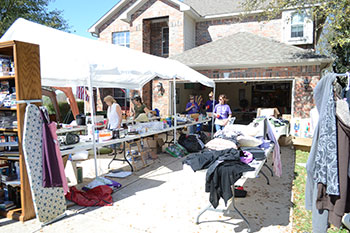
Garage sales and similar events were treated as gifts of support, not tax-deductible charitable donations. They were practical, exhausting, weather-dependent, and deeply personal. Every item sold represented a family trying to make sure Sophia did not lose access to care because a system said no.
501(c)(3) Cure Support
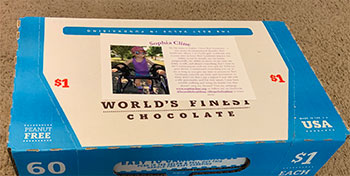
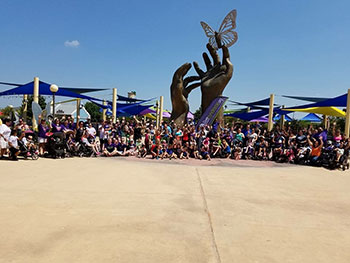
Fundraising for a cure was different from family medical fundraising. Cure-focused events were connected to registered 501(c)(3) organizations, allowing donors to support research through organizations such as Rett Syndrome Research Trust and RettSyndrome.org.
Those efforts mattered because a cure requires funding, laboratories, trials, researchers, and enough public belief to keep pushing the science forward. For families living with Rett syndrome, research is not abstract. It is the hope that one day their child could speak, move, breathe, and live without the constant pressure of the disorder.
The Cure Was the Dream
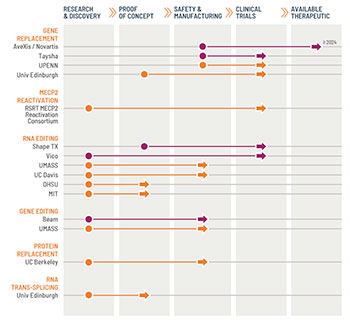
Scientists have shown that Rett syndrome biology can be changed in research models, and families have held onto that proof like a lifeline. The old fundraising materials made the point plainly: the faster research moves, the faster the field can move toward human trials, public access, and a future where Rett syndrome no longer steals abilities from children.
Funding was the barrier. Not love. Not will. Not urgency. Money. That is what made fundraising feel both hopeful and heartbreaking.

Curing One Illness Can Teach Us About Others
The family believed, and still believes, that curing a complex illness can open doors for many others. Advances in Rett syndrome research can teach society about genetics, the brain, movement, communication, seizures, anxiety, development, and neurological function.
When society limits funding for devastating illnesses, it does more than delay one cure. It limits human potential. Under every diagnosis is a person who wants to live, learn, communicate, love, and reach their fullest possibility.
What Changed?
The Sophia Fund was eventually discontinued after Medicaid coverage brought major relief in 2022. That did not mean every cost disappeared. It meant the family had finally reached a point where some of the heaviest medical expenses were covered in ways they had fought years to obtain.
The need for support changed shape. Today, Cline's Recycling carries that current fundraising mission forward by turning donated and recyclable items into support for the expenses that remain.
Cline's Recycling