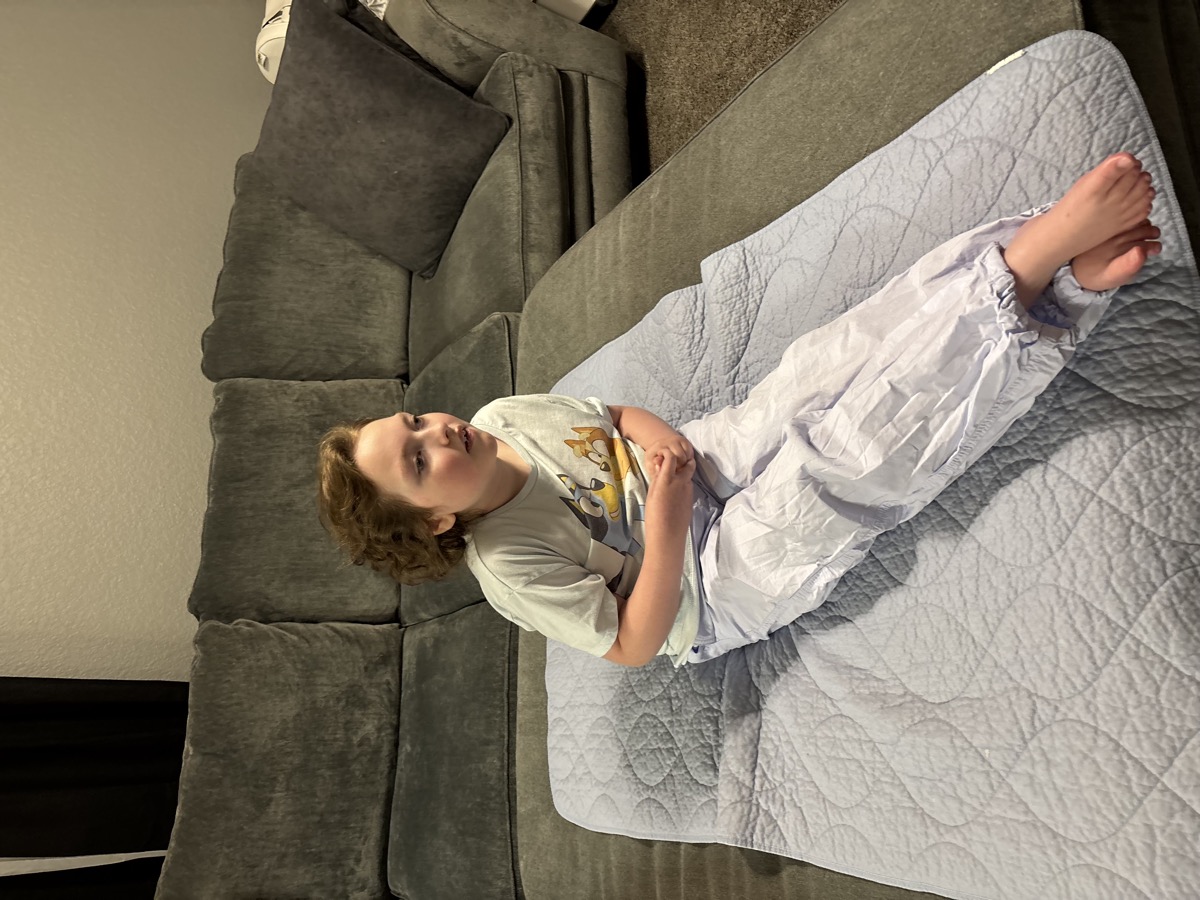
Research for a Cure
Research is the reason families keep daring to imagine life beyond Rett syndrome.
For years, Rett syndrome families lived with too little attention, too little funding, and too few answers. Sophia's family supports research because therapy can protect pieces of today, but a cure is what could give children like Sophia pieces of life back.

Why Research Matters
Rett syndrome families spent too many years with too little attention, too little funding, and too few clinical answers. The condition itself is explained on the dedicated Rett syndrome page; this page is about why the science cannot slow down.
Research changed because families, scientists, clinicians, and advocates refused to let silence be the final answer. Momentum grew as more people understood that children living with Rett syndrome deserved urgency, investment, and every possible intervention.
Clinical Progress
Medications and therapies can bring meaningful relief, but symptom management is not the same thing as freedom. Sophia's journey through the Trofinetide drug trial, and the later FDA-approved name DayBue, shows both the hope and the heartbreak of progress. A clinical trial can feel like a doorway, but families still have to live with side effects, monitoring, uncertainty, access barriers, and the reality that no single medication replaces the need for a cure.
That is why research cannot stop at managing symptoms. Families need treatments that reach the core of Rett syndrome and give children a chance to regain comfort, communication, movement, and stability.
The Cure Sophia Deserves
The hope is not abstract for Sophia's family. A cure means imagining a future where children are not trapped by a disorder that steals abilities while leaving personality, love, and awareness shining through. It means fewer hospital scares, fewer medications stacked on medications, fewer parents lying awake wondering which symptom will become the next emergency.
Every dollar, study, therapy innovation, genetic insight, and clinical breakthrough matters because time matters. The cost of waiting is paid by children and families in lost abilities, medical crises, exhaustion, and grief.
More Than One Illness
Rett syndrome research can reach beyond Rett syndrome. Work on MECP2, neurodevelopment, gene-based strategies, brain function, communication, and rare disease treatment pathways can teach medicine lessons that may help other devastating disorders too.
That is why funding rare disease research is not charity on the margins. It is an investment in science, in families, and in a future where managing suffering is no longer the best society can offer.
How to Stand With the Research
Supporting research means funding cure-focused organizations, sharing accurate awareness, helping families stay stable enough to participate in care and trials, and insisting that medically fragile children are worth the same urgency as anyone else.