Disability Benefits
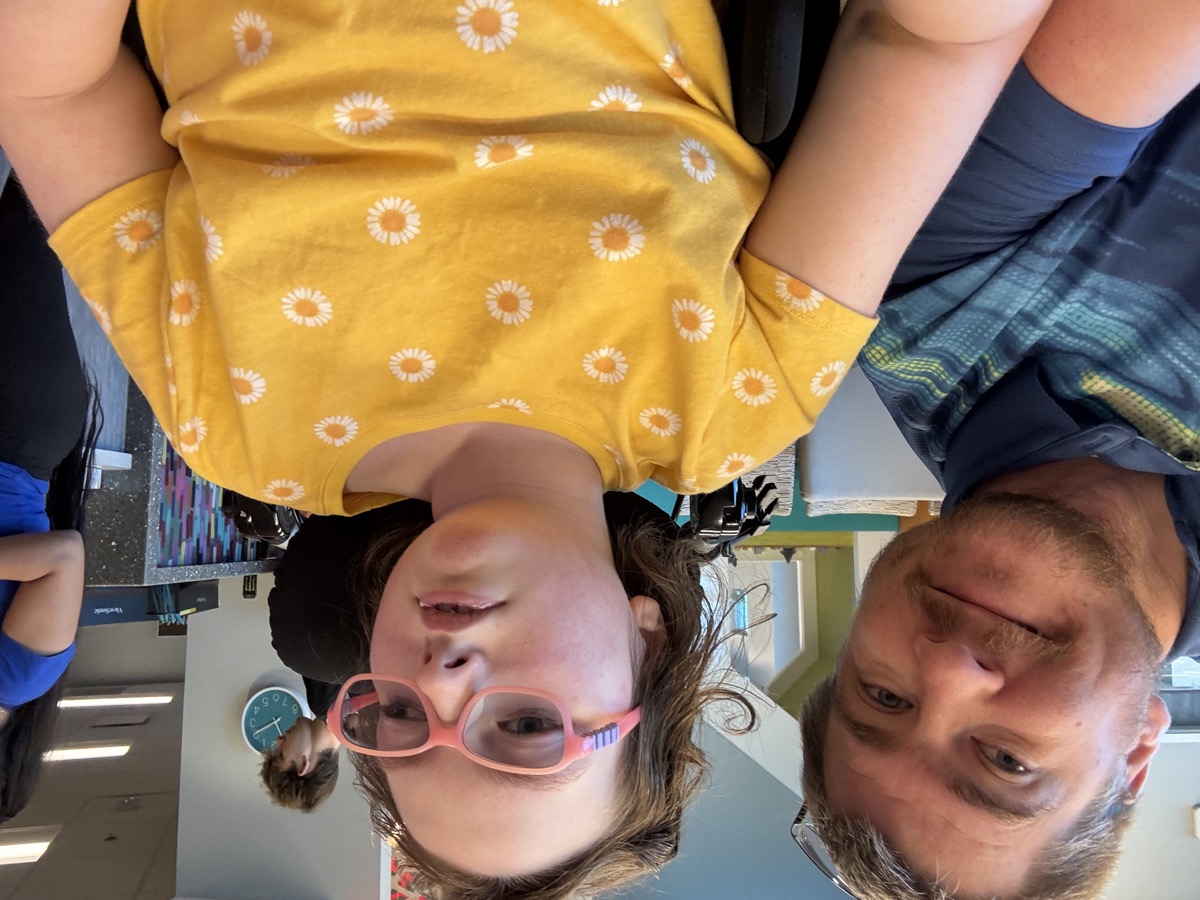
A handout is not the same thing as access to life.
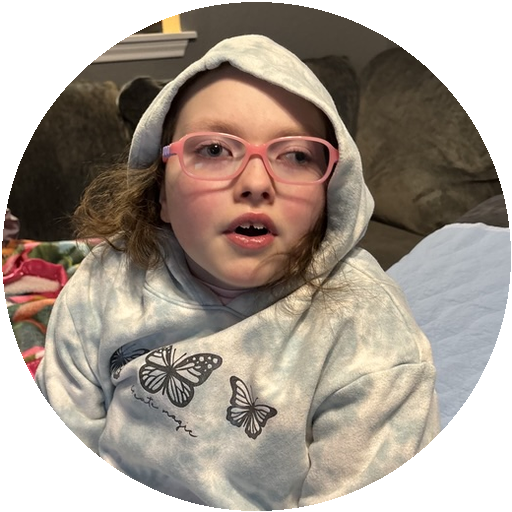
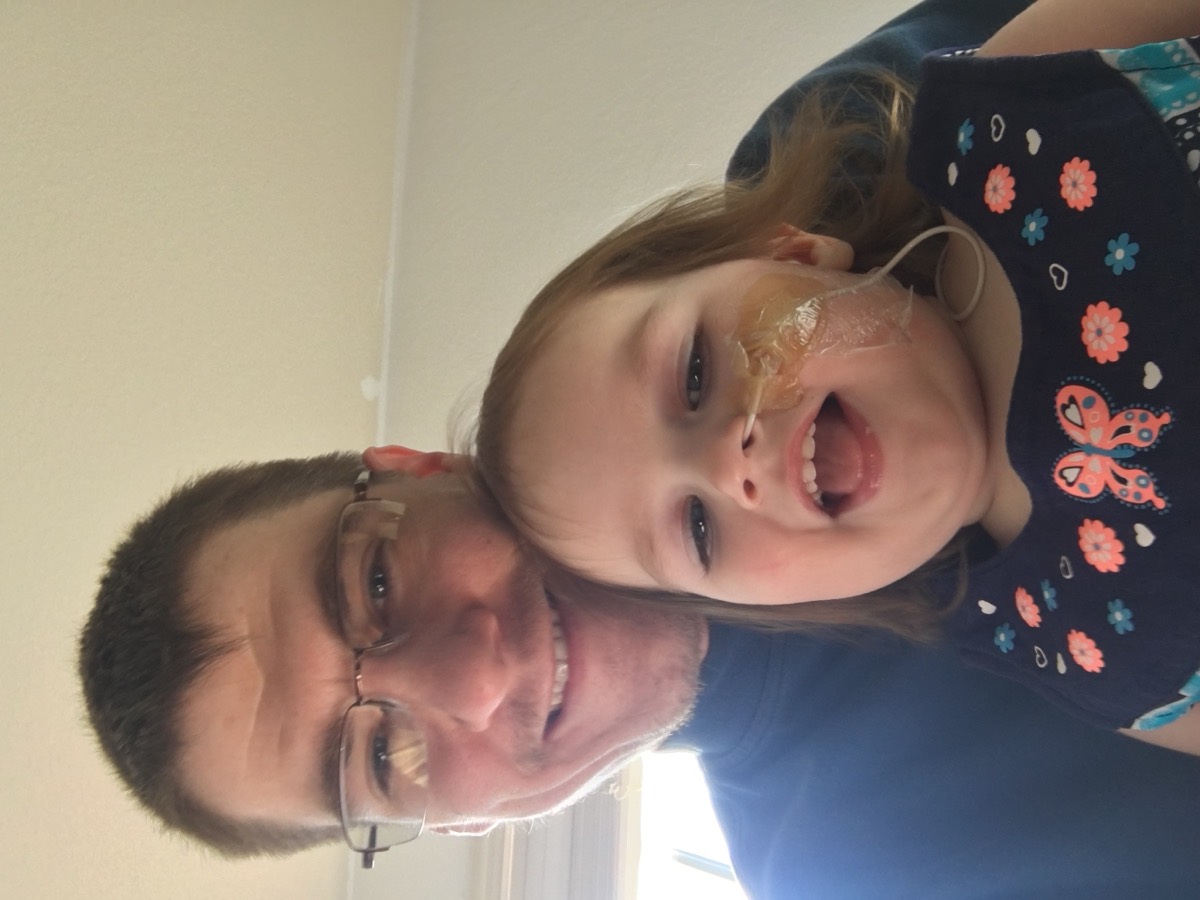
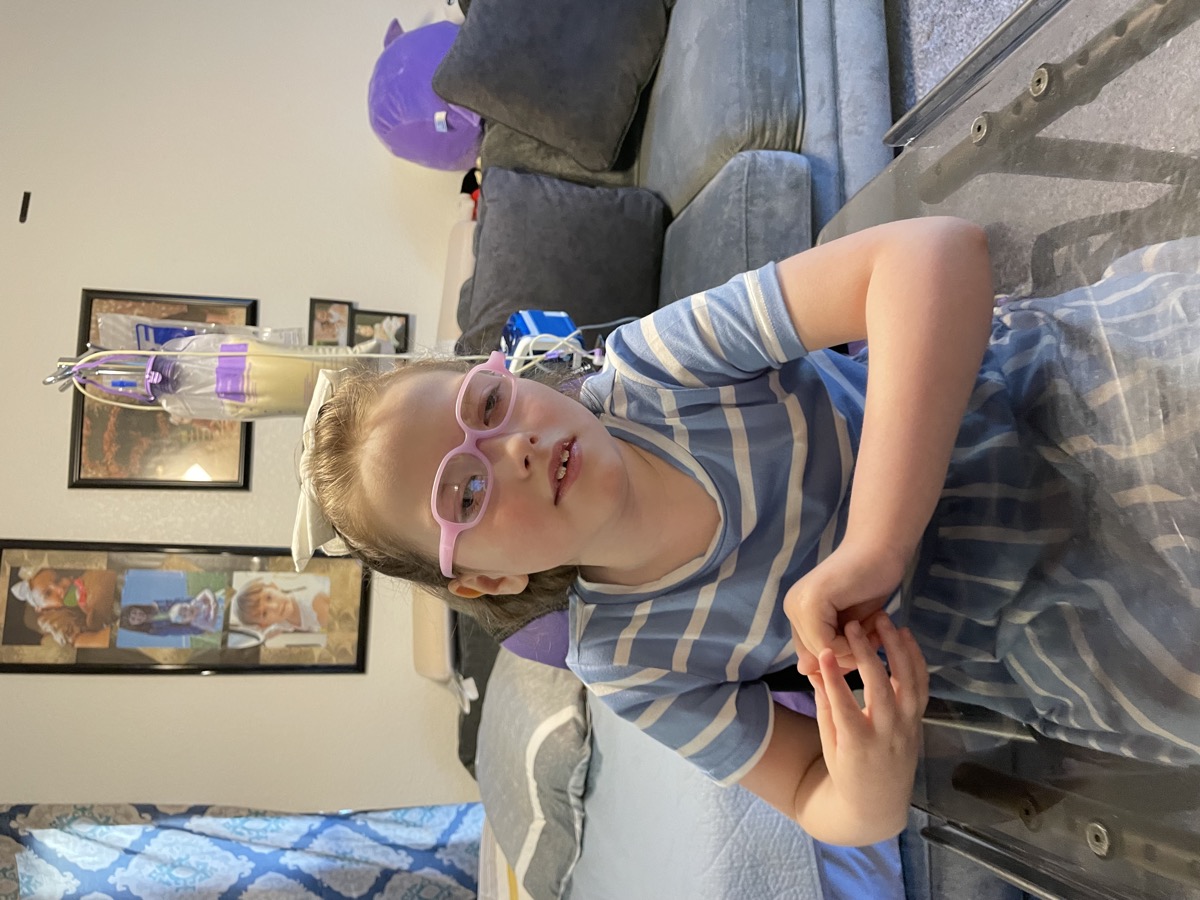
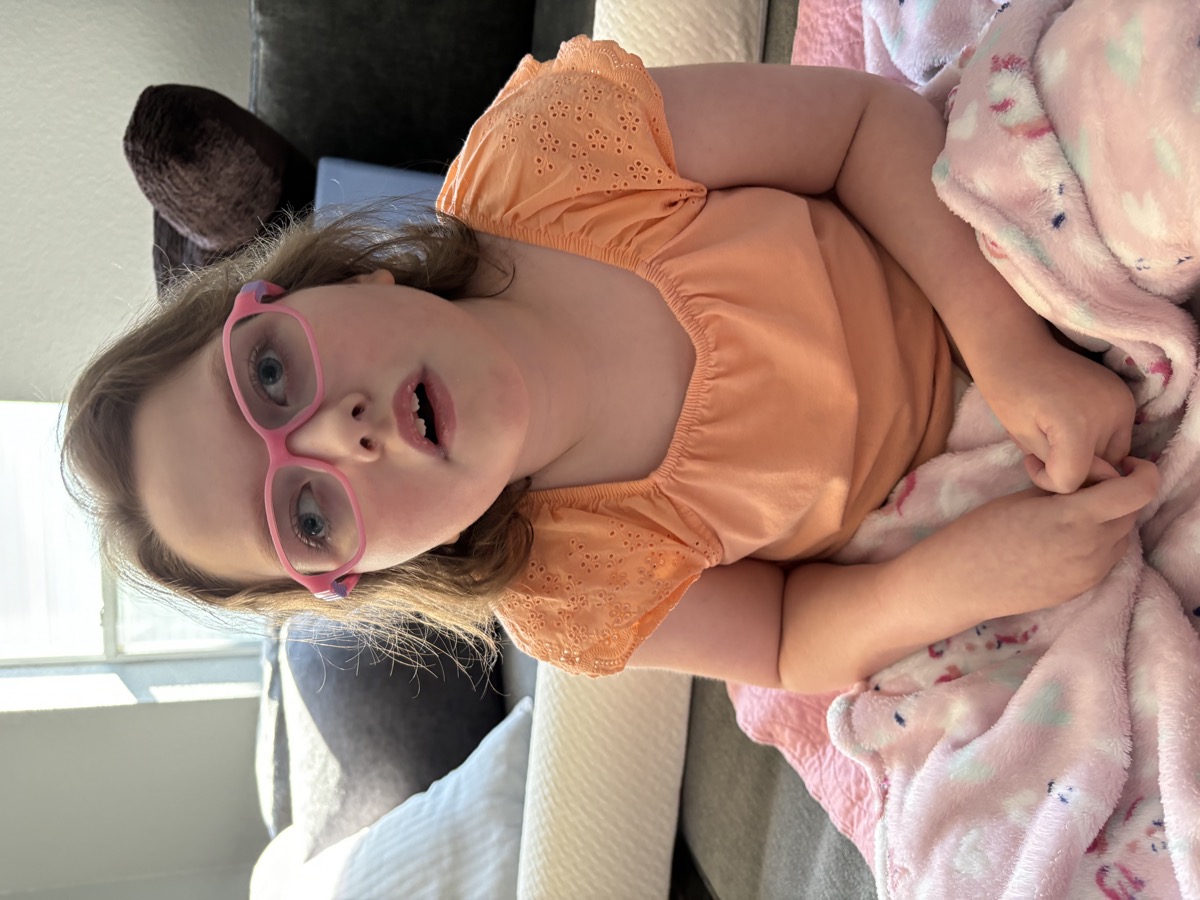
Families like Sophia's hear the word "handout" used against Medicaid, waiver services, nursing, therapies, and disability supports. That word matters, because it can turn public opinion against the very systems that keep medically fragile people alive and included in the community.
What a Handout Means Here
A handout is when money or support is provided to a business or an individual with a clear purpose, and instead of using it for that purpose, it is redirected for something else. It is like giving money to someone who says they need food, only to watch that money be used in a way that does not meet the need they claimed.
That is not what Medicaid is. That is not what disability benefits are. Those programs come with eligibility rules, medical documentation, service plans, provider requirements, audits, managed care rules, and limits. They are not blank checks. They are a framework for care.
What Medicaid Is Supposed to Do
Medicaid and disability-related supports help people with severe or partial disabilities live in a community-based environment while receiving medical treatment, therapies, nursing, equipment, prescriptions, and support services. For a medically fragile child, that can mean the difference between staying home with family and being pushed toward institutional care.
Community-based support protects dignity. It keeps the child connected to family, school, communication, daily routines, and the people who know their medical history best. It also gives doctors and specialists a more accurate picture of the child's real life, not just a chart inside a facility.
Why Institutions Cannot Be the Answer
When people with disabilities are institutionalized, thousands of patients can be placed under systems that do not have enough skilled labor to meet their needs. Doctors, nurses, licensed professionals, physician assistants, therapists, and aides are stretched across too many people with too little time.
The level of care diminishes when staffing is thin, when care is standardized, and when the person becomes one more bed instead of a full human life. Institutions can also remove the incentive to understand the individual deeply, because the system is built around containment rather than possibility.
Social Programs Are an Investment
Social programs are not just about today's bill. They are part of how society creates the conditions to study complicated illnesses, support families, gather better medical data, and keep people alive long enough for research to matter. When families can access therapies, specialists, medication, nutrition, and equipment, society learns more about rare illnesses and complex disabilities.
That knowledge can lead to better treatment, better technology, better medicines, and eventually cures. Progress in rare disease can open doors for other conditions too, because one discovery can teach researchers something about the brain, genetics, movement, communication, immunity, or metabolism that helps many more people.
What Society Misses
When society labels disability support as a handout, it undermines itself. It treats care as waste instead of infrastructure. It treats medically fragile people as expenses instead of lives with value and scientific importance. It forgets that today's unsupported family may be tomorrow's bankruptcy, emergency room visit, institutional placement, or preventable tragedy.
If society refuses to invest in the hardest illnesses, then illnesses like cancer, autism, Alzheimer's disease, rare genetic disorders, and devastating neurological conditions remain harder to understand and harder to cure. The cost of neglect is not only financial. It is measured in lives cut short and possibilities never reached.
The Real Return
The return on investment is not profit in the ordinary sense. It is a child breathing safely at home. It is a parent staying employed. It is a nurse preventing a hospitalization. It is a therapy session preserving a skill. It is a researcher learning something that could change the future.
For Sophia's family, disability benefits are not handouts. They are a public commitment that people with disabilities belong in the community, deserve medical care, and are worth the effort it takes to build a world where fewer lives are cut short.