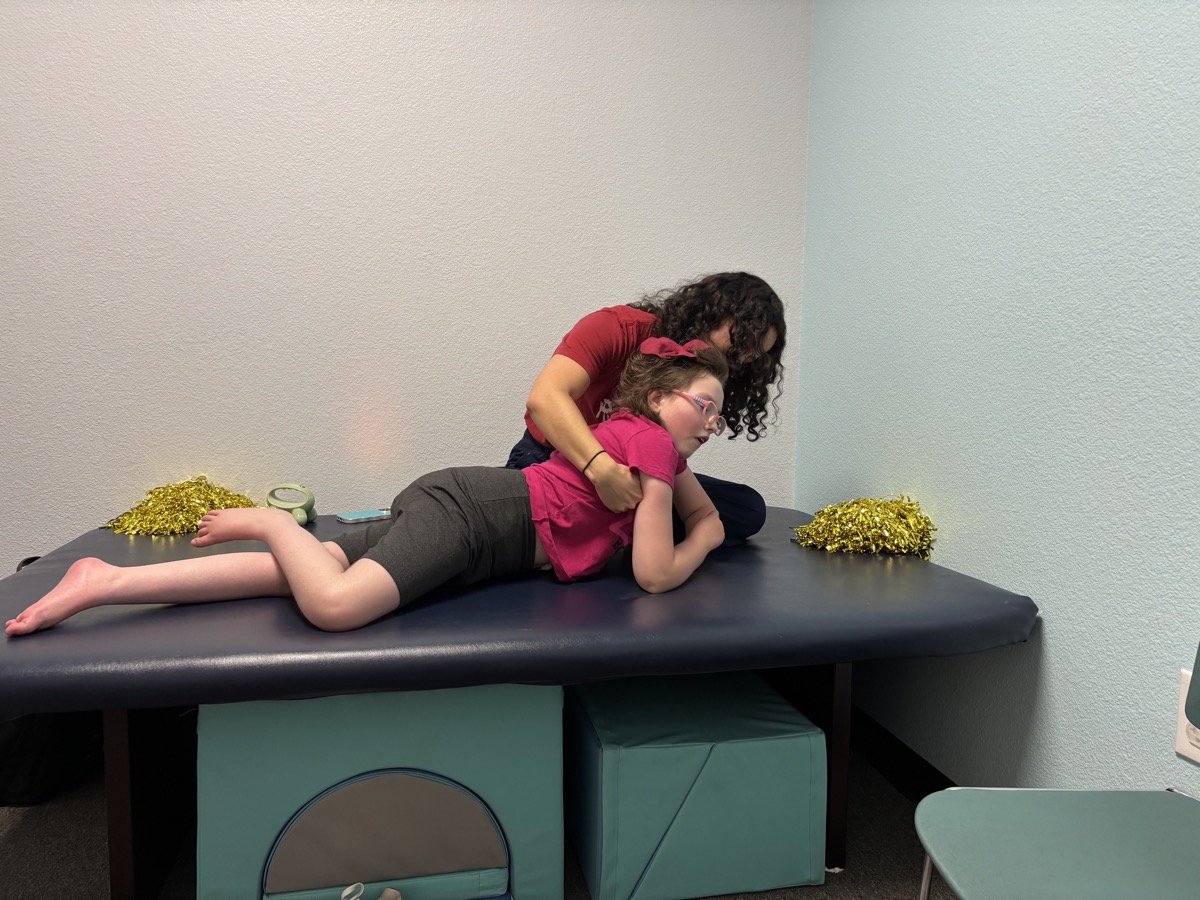
School District Fight
Dad walked into due process with no training, because Sophia could not wait for someone else to be brave.
When Sophia's family believed her needs were not fully reflected through the local school process, Dad had to learn an education dispute system while living inside a medical one. He was not a lawyer. He was a father trying to secure the supports his daughter needed to safely learn, participate, and make meaningful progress.

The Room Was Never Equal
ARD meetings are supposed to be collaborative, but they are hosted and controlled by the school district. Most of the people at the table work for the district, are directed by the district, and understand the district's process better than any parent walking in with a medically fragile child.
For Dad, that meant walking into rooms where Sophia's needs had to be explained again and again, while the pressure of cost, staffing, methodology, and district convenience seemed to sit quietly behind every answer. A parent can know their child better than anyone in the room and still be made to feel like the least powerful person there.
When Disagreement Became Survival
Parents of medically complex students can be labeled difficult when they are actually documenting reality. Sophia's father had to push for services, accommodations, related supports, evaluations, health protections, and meaningful IEP goals that reflected Sophia's facts and circumstances.
That kind of advocacy is exhausting because it is never just paperwork. It is a parent going home after another meeting and wondering whether the district heard the word "need" as a child-centered truth or as an expense to minimize.
Due Process Without a Map
Dad eventually filed due process hearing complaints more than once. A due process hearing complaint is the formal mechanism under the Individuals with Disabilities Education Act that parents may use when they believe a school district has not provided the Free Appropriate Public Education required by law. In practice, it asks a legal decision-maker to resolve a dispute about the child's educational rights and needs.
When Dad filed the first time, he had no experience and no training. He had to learn procedures, timelines, evidence, legal standards, school records, IEP language, and hearing strategy while still being Sophia's father, caregiver, advocate, and provider. The system gives parents rights, but it does not always give them the training to survive the process of enforcing those rights.
The Training Gap
IDEA gives parents procedural safeguards, but a safeguard is only useful if a parent understands how to use it. The gap is brutal: districts have staff, counsel, policies, templates, and institutional memory. Parents often have late nights, fear, medical binders, and a child who cannot afford for the adults to get it wrong.
That gap is why families need accessible training before crisis, not after. Parents should not have to become emergency education lawyers at the kitchen table just to ask for services their child should have received through the ARD process.
The Human Cost
The hardest part was not only the legal stress. It was being treated as if advocacy made Dad the problem. It was the quiet heartbreak of having to fight people who were supposed to help Sophia. It was watching time pass while services, supports, and progress became matters of dispute instead of urgency.
Every complaint carried a terrible weight: if Dad pushed too softly, Sophia could lose progress; if he pushed loudly, he risked being characterized as unreasonable. That is the trap many parents know too well. They enter expecting collaboration and can find themselves in a formal dispute when agreement remains out of reach.
Why Dad Keeps Going
Dad keeps advocating because Sophia's education is not optional. It is communication. It is access. It is therapy. It is safety. It is inclusion. It is one of the places where society either proves that disabled children belong or quietly teaches them that belonging has limits.
The fight is bigger than one district and one family. It is about making sure parents of medically fragile students are not left alone inside systems they were never trained to navigate, and making sure children like Sophia receive plans built around their individual lives and documented needs.