2016-2019

Answers arrived, then systems became another illness to fight.

2016

Sophia's family was living inside the unknown. Local doctors had exhausted their options, genetic testing had been sent to a specialty lab, and the family was told answers could take up to 60 long days.

During that wait, Sophia showed flashes of progress. Her mobility improved. She tried to stand and take steps. At the same time, she repeatedly pulled out the NG tube that was keeping her nourished, turning a lifeline into a daily reminder of how fragile everything had become.

Concern became financial reality quickly. Sophia had been in and out of hospitals, specialists were becoming part of the family's routine, and by August the signs were serious enough that the medical savings account Dad had opened for Sophia became dedicated to her needs.

Every appointment carried two fears at once: what the doctors might find, and what the family would have to pay to keep following the path toward answers. There was still no name for the illness, only a little girl who needed help and parents trying to stay ahead of something they could not yet see.
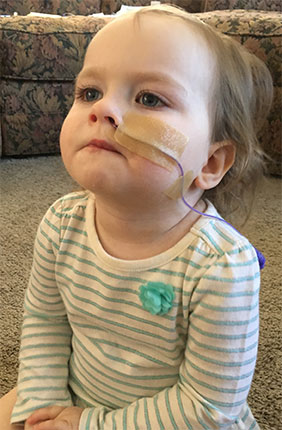
Sophia watching television with her NG-tube placed
Sophia watching TV with her NG-Tube placed.

2017

In January 2017, the family received the diagnosis: Rett syndrome, tied to a partial deletion of exons 3 and 4 on the MECP2 gene.

The diagnosis was later confirmed at the Rett Clinic in Houston, where doctors noted how unusual it was for a child with Rett syndrome to have already received aggressive therapy and feeding intervention before diagnosis. The NG tube helped Sophia gain weight, but it was uncomfortable and temporary. In April 2017, her family made another heavy decision: a G-tube. It became a miracle of daily care, helping Sophia receive nutrition, hydration, and medication more reliably.

Before that answer came, the family had already been through the emotional whiplash of negative tests. The microarray came back negative. Angelman syndrome came back negative. Then the Rett syndrome result landed, and the family had to absorb the truth that the explanation they needed was also the future they feared.

The Houston clinic visit carried both devastation and hope. Sophia had gained four pounds within a month of the NG tube, something almost unheard of for a child with Rett syndrome. After the G-tube was placed, she gained five more pounds, and the family could finally protect nutrition, hydration, and medication without fighting the NG tube every day.

But the diagnosis also multiplied the work. Therapies increased. Medical supplies increased. Doctor visits increased. Houston travel became part of life, and even when most specialists were local, Rett-specific care meant gas, time away from work, hotel concerns, and the quiet cost of keeping a medically fragile child connected to the right experts.

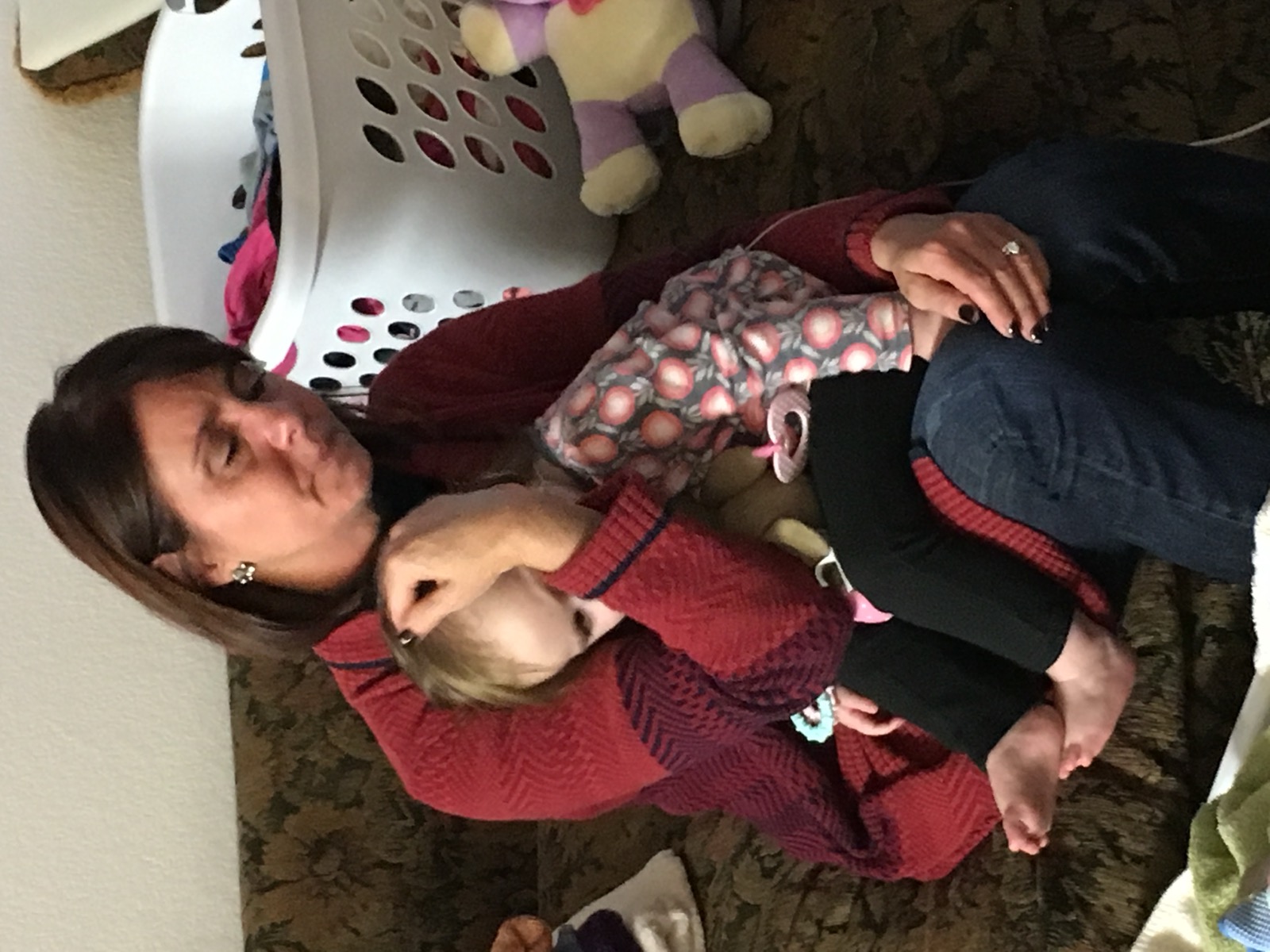
GiGi holding Sophia on her lap in 2017
GiGi holding Sophia after the devastating news of diagnosis.

2018

A change in employer medical benefits created a crisis when the new insurance plan refused to cover Sophia's nutrition: a life-sustaining item she needed to survive.

No two benefit plans are alike, and that difference meant five months of appeals, plan modification work, and scrambling to provide formula, blended diet options, and nutrition while Sophia's health deteriorated. Sophia was hospitalized for vomiting and severe malnutrition. She recovered strength over time, but the financial and emotional damage stayed with the family.

The family tried everything they could think of while the plan modification dragged on. Specialized nutrition, blended diets, grocery-budget sacrifices, phone calls, paperwork, and appeals all became part of the effort to keep Sophia fed. What should have been treated as survival became an insurance fight.

There was hidden labor behind that year too. Dad was checking provider bills, explanations of benefits, and contract allowances because billing errors were common and sometimes providers tried to collect more than the family actually owed. Cost prevention became another form of caregiving.

To survive the debt, the family hosted fundraisers and reached out to local media. The heartbreak was not only that Sophia got sick. It was that her family had to ask the community for help because a benefit plan would not reliably cover the nutrition that kept her alive.

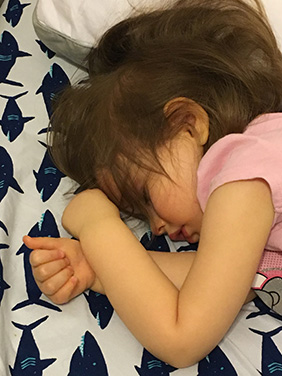
Sophia resting after an exhausting day in 2018
Sophia had an exhausting day.

2019

Unexpected home and vehicle expenses pushed the family near financial collapse. The car that took Sophia to appointments, major appliances, medical costs, and missed fundraising opportunities all landed at once.

During these years, Dad's role became increasingly hands-on during the workday. He was not only working and trying to keep income stable; he was also taking Sophia to appointments, calling providers, tracking insurance problems, coordinating services, and learning how to push systems that moved too slowly for a child whose needs could not wait.

Crowdfunding from the prior year had allowed Sophia to receive extra services she loved, but those supports were fragile because they depended on money the family could barely hold onto. When the refrigerator failed, the central air conditioner went out in a Texas summer, and the family vehicle broke down, the extra services had to be cancelled.

The vehicle was not a convenience. It was how Sophia got to appointments, therapy, school-related services, and the places that kept her connected to care. The family was able to purchase a replacement vehicle only through an unspoken loan, the kind of rescue that keeps a family afloat while also deepening the debt beneath them.

Even the weather worked against them. Garage sales had been one of the family’s planned ways to raise money, but rain and poor conditions wiped out opportunities in the early part of the year. The family was near bankruptcy, and still Sophia’s needs kept arriving on schedule.

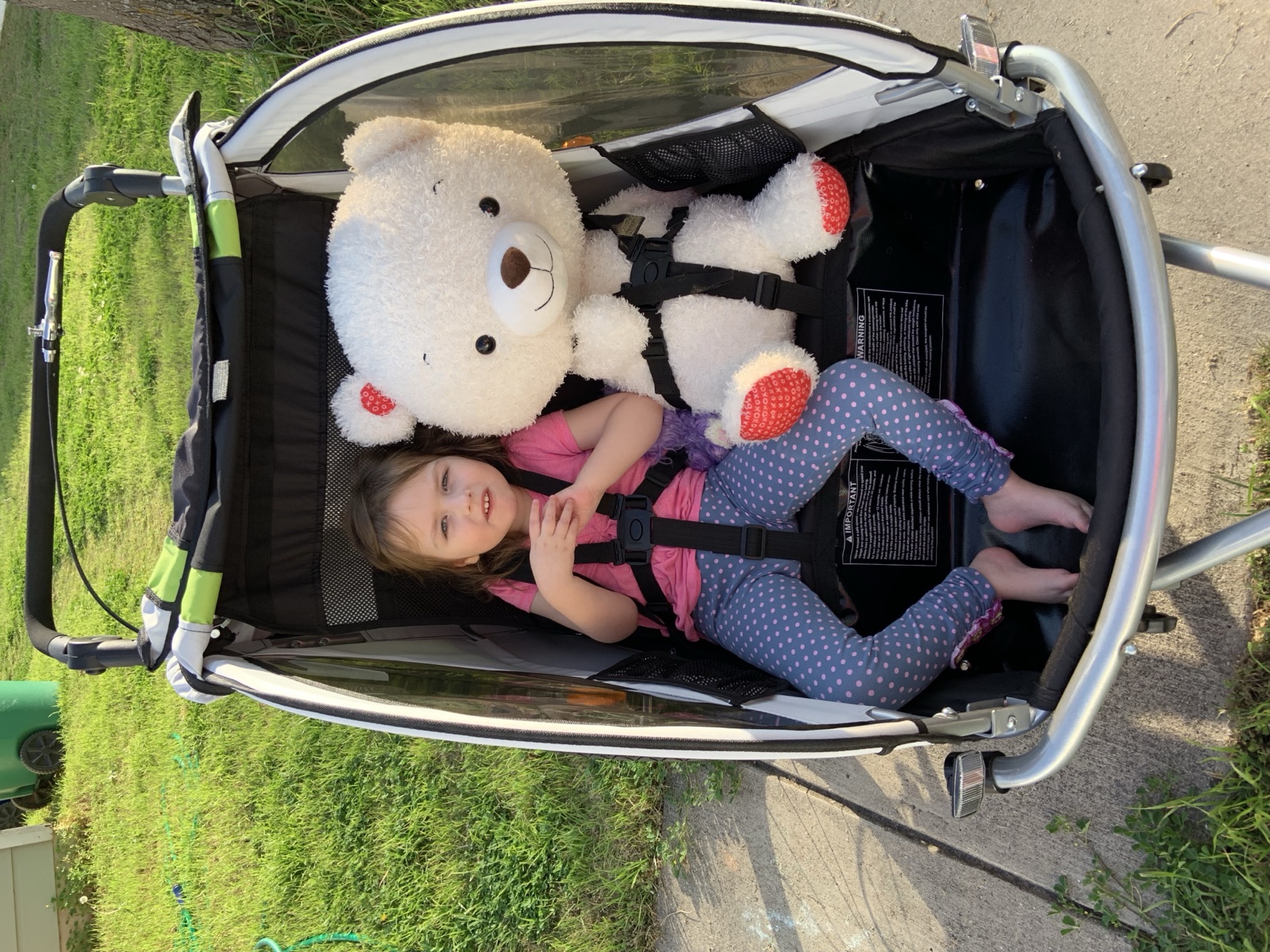
Sophia seated beside a large teddy bear in a transportation trailer in 2019
Sophia ready for a ride with one of her favorite stuffed friends in 2019.