2020-2023

Isolation took a toll, then clinical hope arrived beside new fears.

2020

COVID-19 interrupted Sophia's in-home services because the risk of illness was too high. Remote learning and video calls could not replace the hands-on therapies, school services, family contact, and daily routines she depended on.

Isolation took a toll. Sophia regressed, losing coordination and strength while early signs of scoliosis appeared. Breakthrough seizures brought another frightening turn, including EEG monitoring at home and the constant fear that one illness could undo years of progress.

The pandemic felt like a storm that forced the most vulnerable into deeper isolation. Sophia lost access to the hands-on services that had protected her progress, and her family had to rely on video calls and remote learning while watching time move against her.

COVID also ended the family’s 2020 fundraising plans. They had expected another strong year of community support, but with so many people out of work, the family chose not to ask the public for help. The medical needs did not pause, but the fundraising had to.

Family and friends became faces on screens. For a child who needed therapy, routine, touch, and inclusion, that distance hurt. The loss was not only medical; it was emotional, educational, social, and physical all at once.
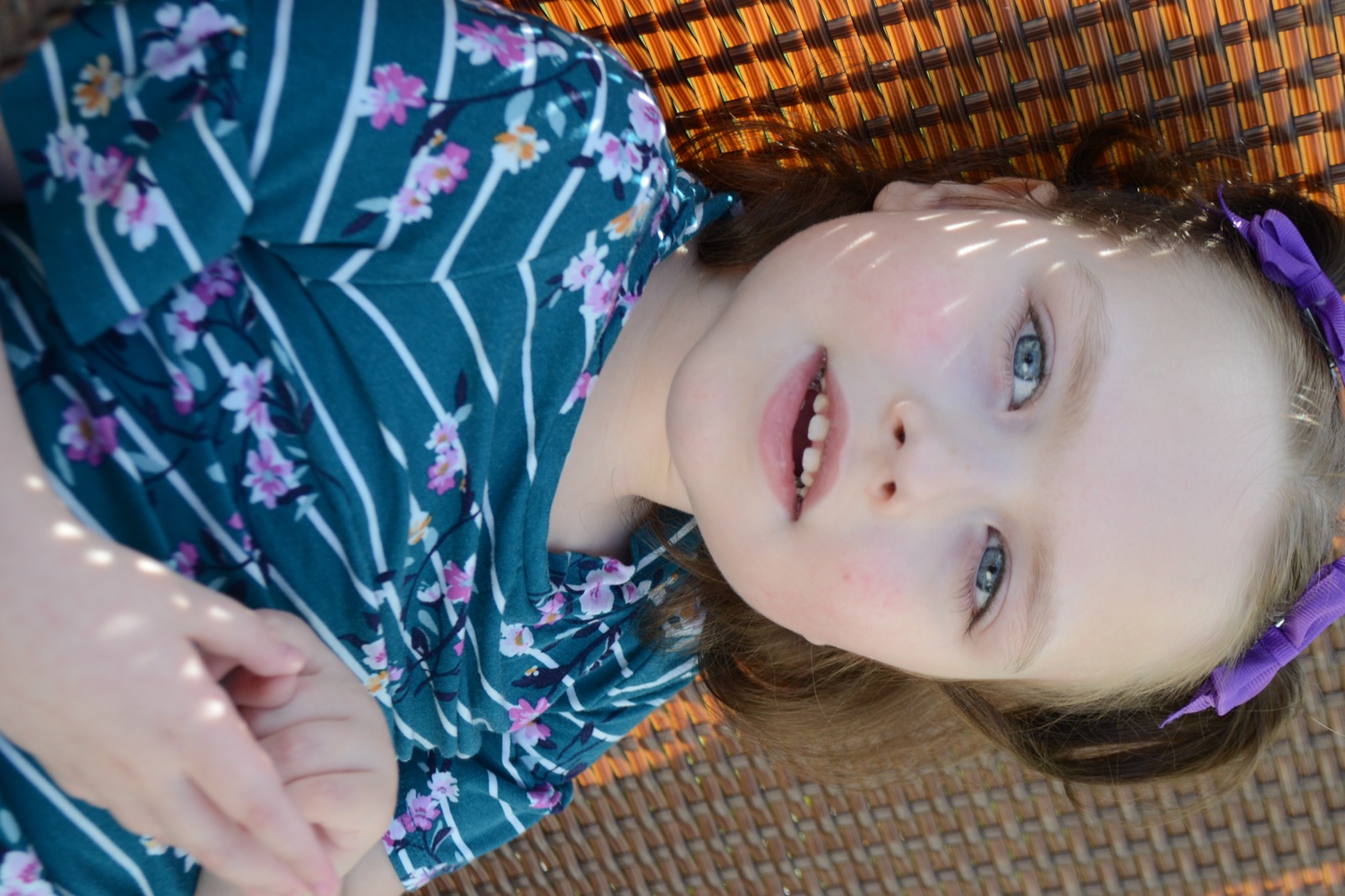
Sophia smiling outdoors in 2020
Sophia enjoying a peaceful moment outdoors in 2020.

2021

Early in 2021, COVID reached the home. Mom, Dad, and Sophia all tested positive, leaving two sick parents responsible for protecting a medically fragile child whose Rett syndrome and complex medical needs made a respiratory illness especially frightening.

The family recognized Sophia's illness early and immediately began the medications and respiratory procedures available to them at home. They watched every breath and every change in her color and energy, hoping that acting quickly would slow the virus. Instead, her fever continued to climb, her body trembled, her face became pale, and her breathing grew shallow and strained.

They stood on the edge of calling an ambulance, praying that Sophia could remain safely at home while knowing the next change might take that choice away. By the fourth day, her fever finally broke and color began returning to her face, but relief did not arrive all at once: her breathing still rattled and struggled to find its rhythm, as though COVID had left damage behind that the family could hear but could not yet understand.

A sleep study showed that the breathing concerns were not the only problem. New, unprovoked seizure activity appeared, threatening her ability to qualify for the clinical trial. After seizure medication changes and three long months of watching and waiting, Sophia became seizure-free enough to move forward.

Sophia then qualified for a Rett research drug trial involving Trofinetide. During the study, the family knew it simply as the drug trial; after FDA approval, Trofinetide became available under its official brand name, DayBue. Qualification meant repeated trips to the Houston Rett Clinic, nurse visits, long nights, and exhaustion, but by the end of the year Sophia had reached phase 2 of the study.

When the family finally tried to return to a more normal rhythm after vaccination and consultation with medical professionals, the Omicron variant arrived. Once again, the world narrowed and the family had to wait for the safety and connection they had already lost for so long.

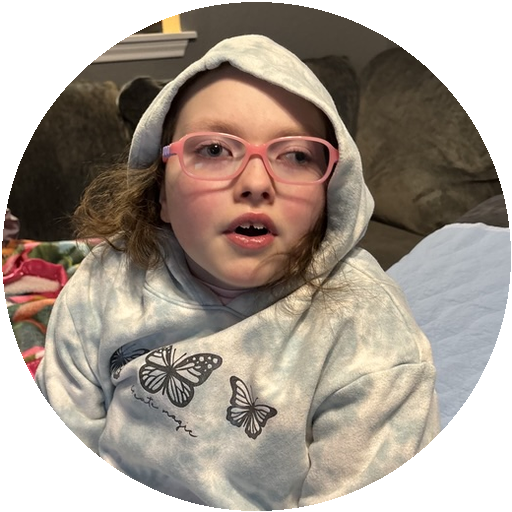
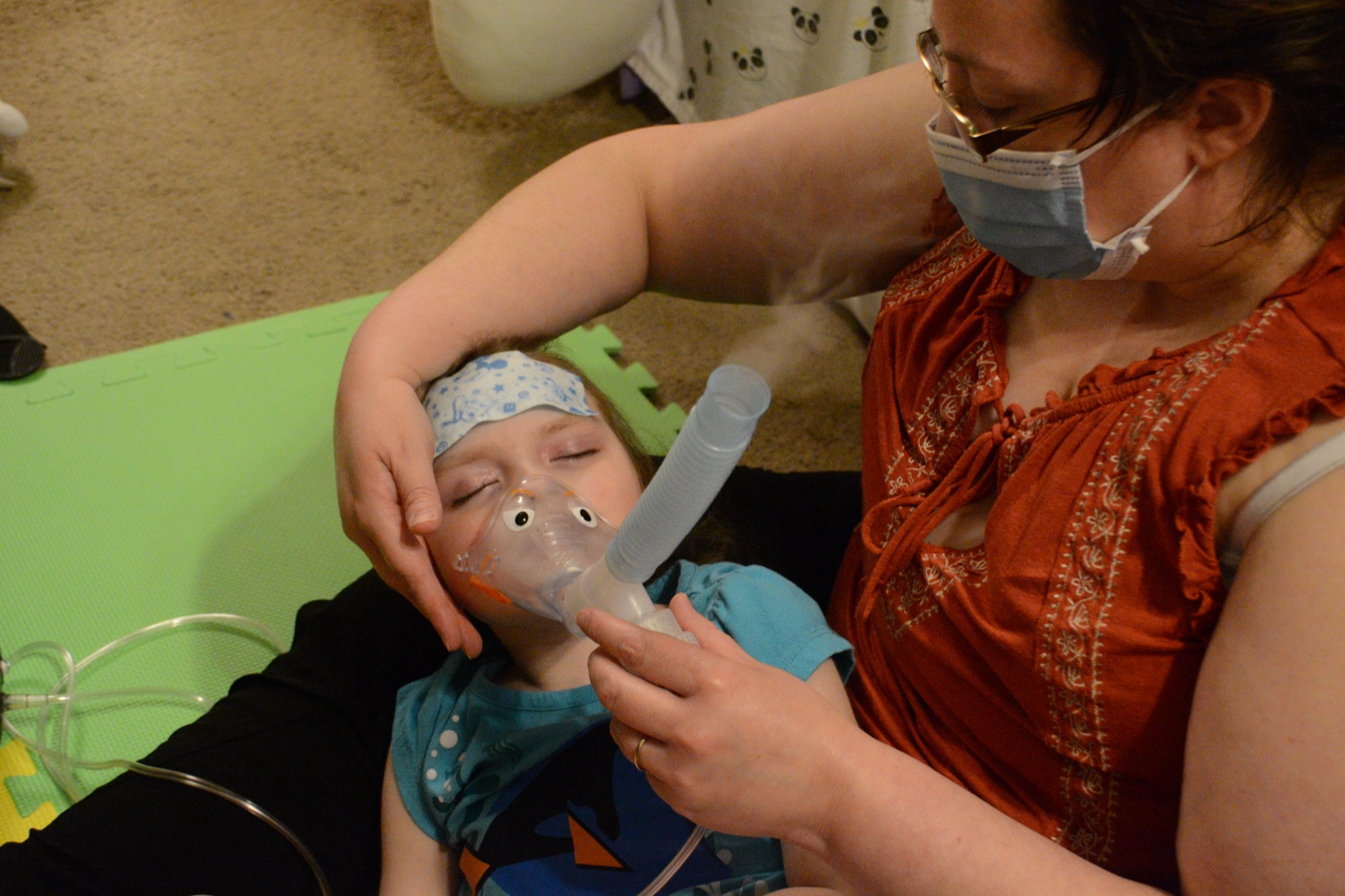
Sophia receiving breathing treatment at home in 2021
Sophia receiving breathing treatment at home in 2021.

2022

The trips to the Houston Rett Clinic, nurse visits, and testing were exhausting, but they gave the family something precious: hope that the same treatment path Sophia had helped test could become available beyond the study.

Medicaid coverage brought relief, but it did not arrive by luck. It came after years of exhausting advocacy, including Dad pushing at the state level during legislative sessions, talking with representatives, and fighting for funding and attention while Sophia remained on a long waitlist. That work helped move Sophia's name up on the MDCP list and led to State of Texas StarKids Medicaid coverage beginning January 1, 2022.

The relief was enormous because the family had spent years under medical bills that never seemed to stop. State Medicaid meant Sophia’s medical expenses could finally be covered in a way private insurance alone had not managed.

But even relief came with complications. Within weeks, the family learned that at least one crucial provider was outside the Medicaid network. Sophia also had private insurance approval at the same time, creating multiple layers of coverage, but coordination did not erase every out-of-pocket cost or every access problem.

The family also pushed for private duty nursing, hoping it would make it possible for both parents to work full time while Sophia received monitoring and reactive care. Instead, they ran into the reality of Medicaid reimbursement rates: nurses could earn far more in hospitals, and families like Sophia’s were left searching for care the market would not supply.

As employers began forcing workers back into offices, the work-from-home flexibility that had helped the family survive began disappearing. Intermittent FMLA, proposed accommodations, reduced schedule requests, and constant schedule negotiations became part of the household’s survival plan.

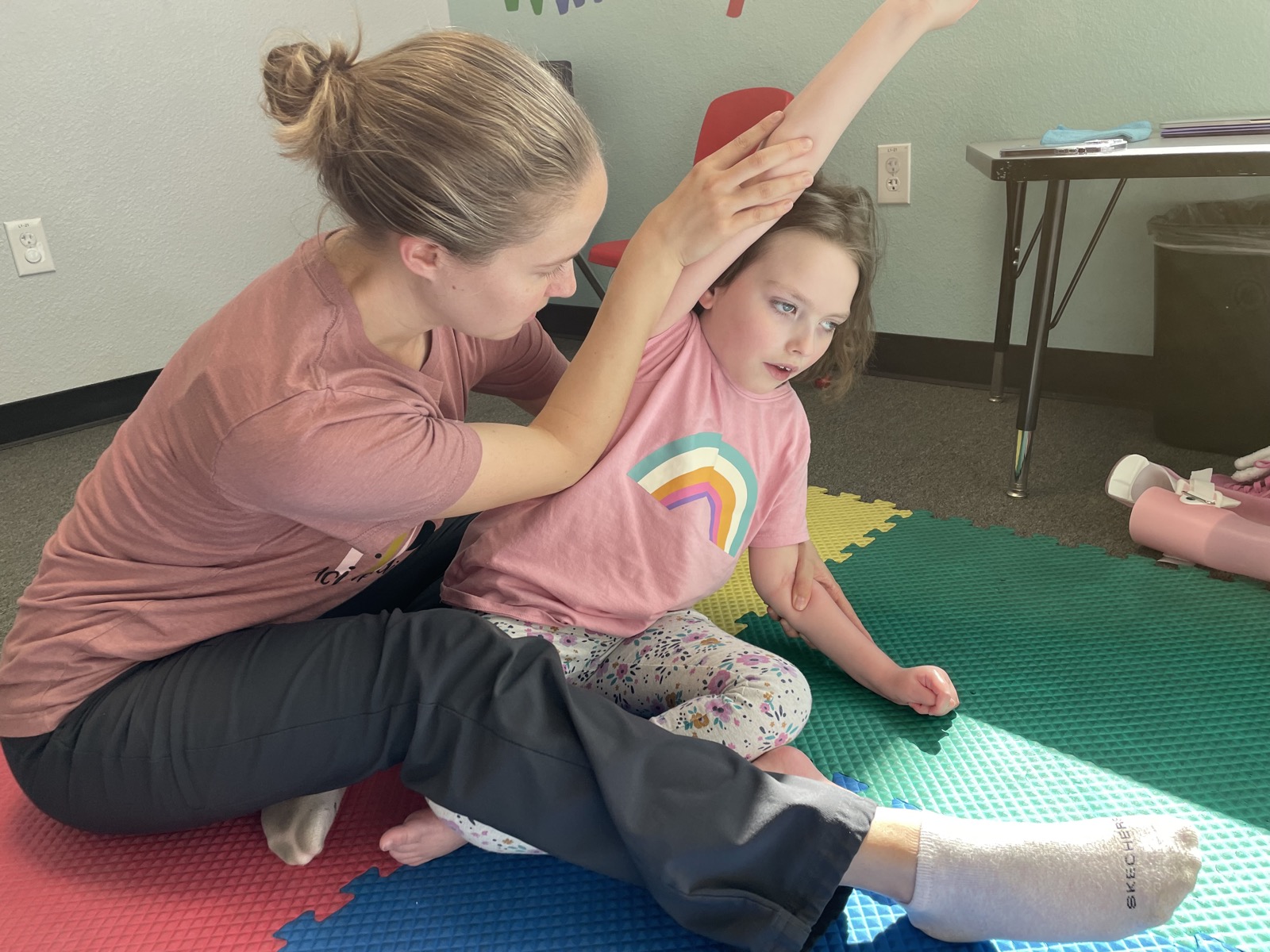
Sophia receiving physical therapy and stretching on the floor in 2022
Sophia receiving physical therapy and stretching on the floor in 2022.

2023

The relief was real, but it was not simple. Provider networks, out-of-pocket gaps, nursing shortages, and caregiver work schedules kept creating new pressure.

Dad continued carrying much of the workday coordination: appointments, school questions, insurance calls, provider follow-up, service planning, and advocacy that did not stop just because Medicaid finally opened a door. In 2023, DayBue brought another chance at progress after FDA approval. It was not a separate idea from the earlier trial. It was the official, approved version of the same Trofinetide treatment path. But Sophia experienced serious distress and repeated hospitalizations. The family later learned she had developed an allergic reaction. Sleep apnea, anxiety, cramping, CPAP use, and new medications became part of the next chapter.

The work schedule pressure became brutal. As employers pushed office returns, the family's days became fragmented: one parent working part of the day while the other covered care, then trading off so bills could still be paid. Peace became something measured in minutes.

DayBue arrived with hope because it was connected to the same Trofinetide path Sophia had helped test. The family secured the prescription, private insurance covered it, and then another battle began with Medicaid coverage. Even medical progress still required paperwork, appeals, and systems pressure.

In May, Sophia caught the flu and was hospitalized for four days. Soon after starting DayBue, she was hospitalized again for six days. The Houston clinic advised waiting and trying a smaller dose, but in July that smaller dose triggered severe distress within hours. EMS was called, and Sophia spent eleven days in the hospital before the allergic reaction became clear.

Late August brought another frightening episode: blue lips, irritability, normal tests, and no simple explanation. The eventual labels, anxiety, cramping, and sleep apnea, did not make the nights easier. CPAP and new medication became part of the family’s routine, another reminder that progress and danger can arrive in the same year.

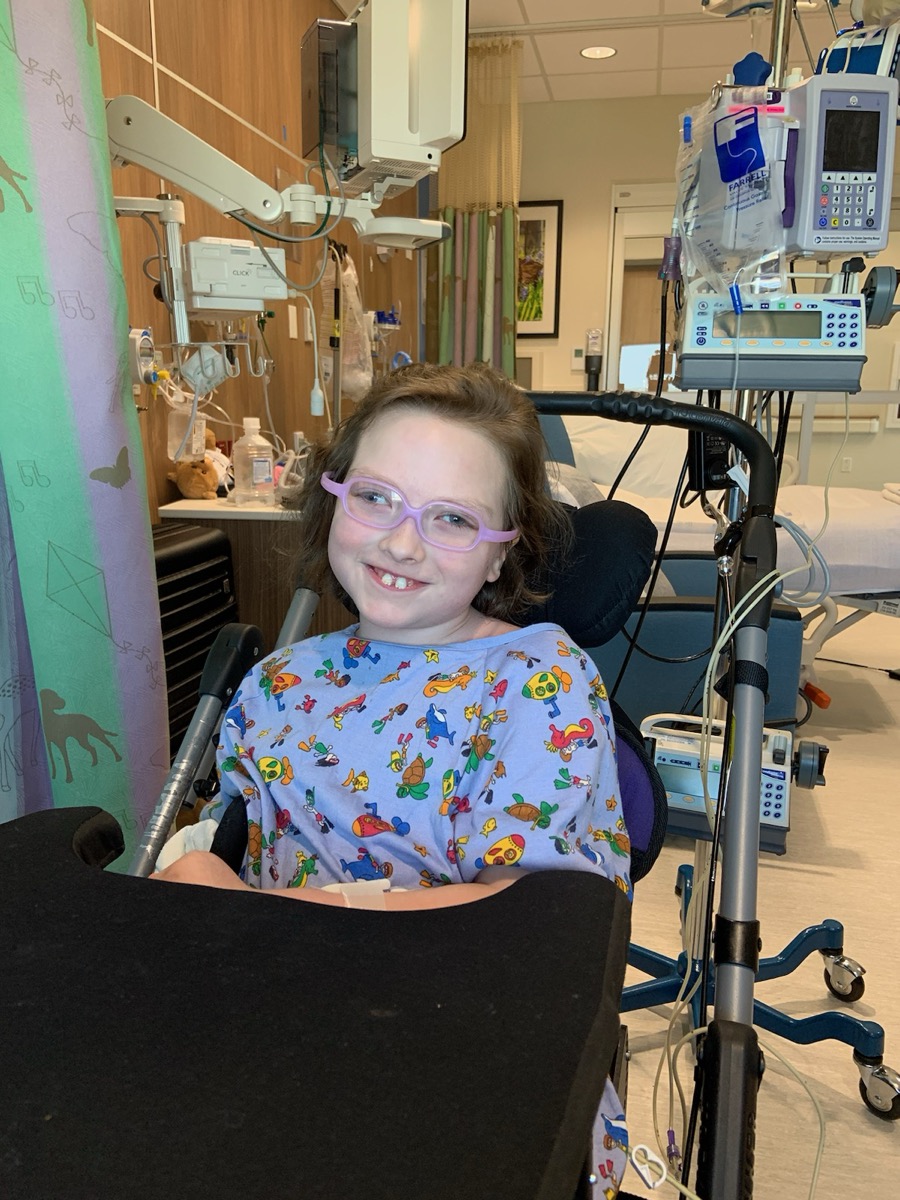
Sophia smiling in her wheelchair during a hospital stay in 2023
Sophia smiling through another hospitalization in 2023.